Caring for the land at Hop Pickers
More guests are arriving at Hop Pickers in electric vehicles, and with it comes a simple question: where can they charge? With the addition of our new EV charger, countryside stays can now be both relaxing and practical for EV drivers. We share why this small change reflects a growing shift in rural travel.
Our Setting in the Worcestershire Countryside
The British countryside is constantly evolving, shaped by generations of farming, wildlife and the people who call it home. At Hop Pickers Rural Retreats, caring for the land is at the heart of what we do.
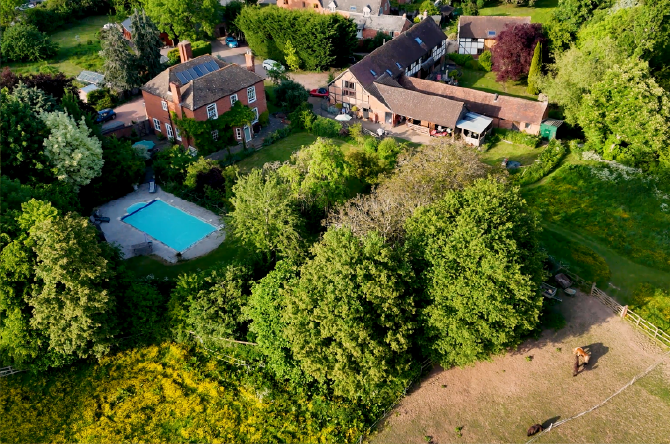
Nestled within a landscape of meadow, orchard, woodland and ponds, our site carries the imprint of Worcestershire’s rural past. Historic maps show that the land was once entirely orchard, part of a patchwork of fruit trees and hedgerow-lined fields that characterised the county in the late 19th century.
A Landscape Still Rich With Life
Despite these changes, the land remains quietly rich in wildlife.
Across the meadow areas, our low-mow approach has allowed a tapestry of grasses and wildflowers to develop, including yarrow, ragwort, ribwort plantain, sweet vernal grass, red fescue, false oat grass and creeping thistle.
Anthills scattered throughout the meadow create small variations in soil and temperature, allowing plants such as wild thyme to thrive while providing feeding grounds for birds such as green woodpeckers.
Beside the old ponds, a single multi-stemmed veteran willow stands as a quiet relic of the past. Trees like this provide invaluable habitat, offering shelter, nesting cavities and feeding opportunities for insects, birds and mammals.
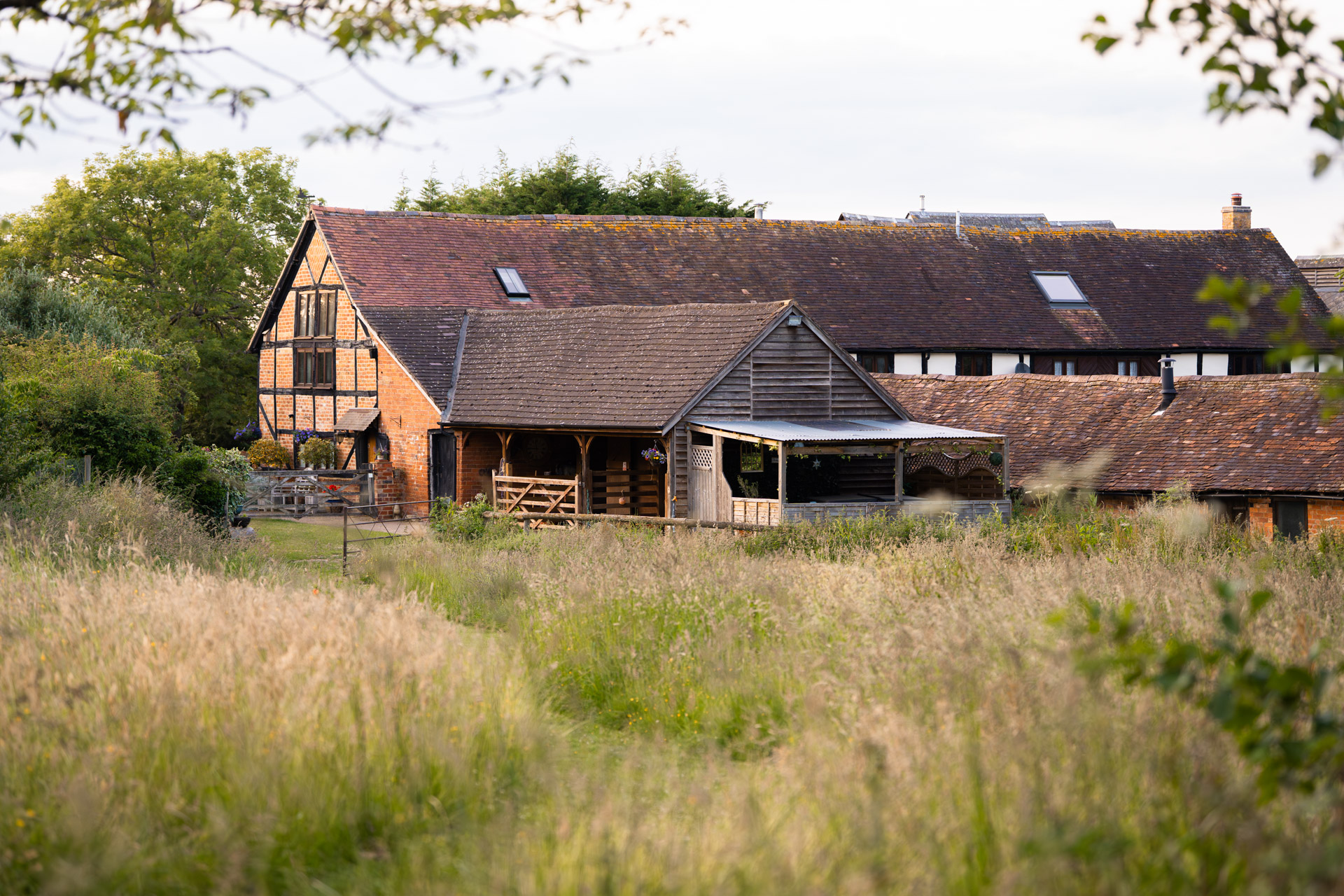
As horticulture declined, hop farming shaped the landscape for a time – before modern agriculture removed many of the hedgerows and traditional orchards altogether. Read more about the History of Hop Pickers here
Today, only fragments of that history remain.
Understanding What Lives Here
In August we commissioned a Biodiversity Enhancement Assessment (BEA) to better understand the ecological value of the site and identify ways we could improve habitats in the future.
Although there are relatively few formal wildlife records in the immediate area - likely due to limited survey effort rather than an absence of wildlife - records within a 1km radius show the surrounding landscape is ecologically significant.
Species recorded nearby include birds of conservation concern such as cuckoo and kingfisher, alongside mammals including badger, brown hare, otter and several bat species.
During the survey itself, butterflies including speckled wood, meadow brown and large white were seen across the site, while birds such as goldfinch, chaffinch, song thrush and house sparrow were also recorded.
All of this confirms what we see day-to-day: the land is already alive - and full of potential.
Gentle Progress Over the Winter
Our aim is not dramatic change, but thoughtful stewardship.
Over the winter months we have begun implementing some of the recommendations from the biodiversity assessment, including:
-
Installing a leaky dam where water enters the top pond to slow water flow and improve water quality
-
Continuing selective woodland thinning to allow light to reach the woodland floor
-
Creating dead hedges and wood piles to provide habitat for insects, birds and small mammals such as hedgehogs
-
Installing a solitary bee post, offering nesting habitat for important pollinators
These small interventions help create greater structural diversity across the landscape — something that is key to supporting a wide range of wildlife.
Supporting Sustainable Travel
Alongside improving habitats, we are also taking steps to reduce our environmental impact.
As electric vehicles become more common on British roads, we have noticed an increasing number of guests asking whether we have EV charging available on site. To support this growing shift towards lower-emission travel, we are installing our first electric vehicle charger for guests.
A modest charging fee will help us manage access responsibly while ensuring the countryside experience remains at the heart of what we offer.
Looking ahead
Caring for the land is an ongoing process.
Looking ahead, we will continue woodland management, improve light levels around the ponds to encourage aquatic plants and invertebrates, and expand habitat features across the site.
Biodiversity recovery doesn’t happen overnight. It comes through patience, observation and small, consistent actions over time.
For us, sustainability is about ensuring this landscape continues to thrive — so that future generations can experience the same sense of peace and connection to nature that has shaped our own story here.
If you’d like to experience the landscape for yourself, you can explore our countryside retreats here.

Summer Holidays at Hop Pickers: Our Favourite Days Out in Worcestershire
The school holidays are the perfect excuse to slow down, spend time together and make memories that last long after summer has finished. Whether you're planning action-packed adventures, relaxed countryside walks or simply time to switch off, Hop Pickers is the perfect base for exploring Worcestershire and beyond.
